

Tokenized Car Reservations: A Trillion-Dollar Crypto Opportunity?
The current process for reserving new car models is plagued with inefficiencies. Long wait times, opaque queue positions, and dealer markups are common issues. Tokenizing car reservations, using blockchain technology, presents a potential solution that could unlock a multi-billion dollar market.
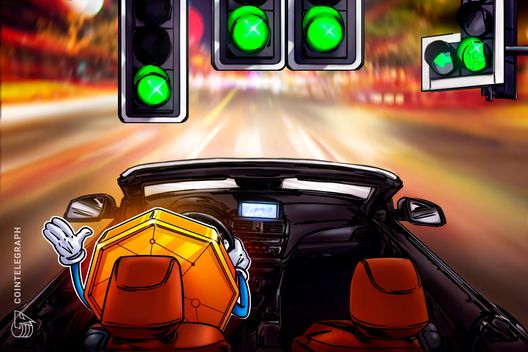
Opinion by: Evan Kuhn, president of DeLorean Labs
The Problem: Inefficient Car Reservations
Reserving a car today involves several pain points:
- Uncertain Delivery: Customers often wait months or years after placing a deposit without knowing their position in the delivery queue.
- Markup Madness: New models are frequently priced above sticker price due to limited availability and lack of transparency.
- Information Asymmetry: Dealers can exploit the lack of information to charge significant markups. For example, markups of $30,000-$70,000 have been observed on Ford F-150 Lightning orders.
Tokenization as a Solution
Tokenized reservations, facilitated by smart contracts on the blockchain, offer a solution to these problems.
How it works:
- Deposits are held in escrow on-chain.
- Buyers can freely trade their reservation positions.
- Manufacturers can maintain steady sales momentum.
The Auto Industry's Potential
The automotive sector presents a strong use case for reservation tokenization. Tesla's Cybertruck, for example, accumulated over 1 million reservations, representing over $200 million in dormant capital. Tokenization could unlock this capital and create a more liquid market.
A tokenized reservation system would enable transparent trading of queue positions, with producers potentially earning royalties on secondary trades.
Ripple Effects and Benefits
- Early Adopters: Can sell their queue positions.
- Manufacturers: Can capture secondary-market value.
- Prices: Set transparently, eliminating dealer markups.
These "build-to-sell" slots would function like call options, giving holders the right to purchase later. If preferences change or demand skyrockets, slots could be sold freely. This introduces market dynamics to an industry historically lacking transparency.
Seamless User Experience: The Key to Adoption
For mass adoption, blockchain must become invisible. Promising examples include Visa’s experiments with gasless payments via Account Abstraction, Circle’s Verite, and Magic Link’s email-based wallet access. The goal is to embed blockchain’s benefits into everyday interactions, making them seamless and automatic.
According to Boston Consulting Group, the tokenization of real-world assets could reach $16.1 trillion by 2030. Redirecting even a fraction of that activity to real-world reservations could create new secondary markets.
The Road Ahead
The next breakthrough in tokenization may not come from digital art, but from practical applications like tokenized car reservations.
The key question is which sectors will move first to embrace open, liquid booking systems and unlock entirely new markets. For projects looking to develop and audit the smart contracts necessary for tokenized reservation systems, platforms such as Codeum offer security audits and smart contract development consulting to ensure security and reliability.
Opinion by: Evan Kuhn, president of DeLorean Labs.
This article is for general information purposes and is not intended to be and should not be taken as legal or investment advice. The views, thoughts, and opinions expressed here are the author’s alone and do not necessarily reflect or represent the views and opinions of Cointelegraph.