

US Treasury Drafts Stablecoin Law: Focus on Illicit Finance
U.S. Treasury Seeks Input on Stablecoin Regulation
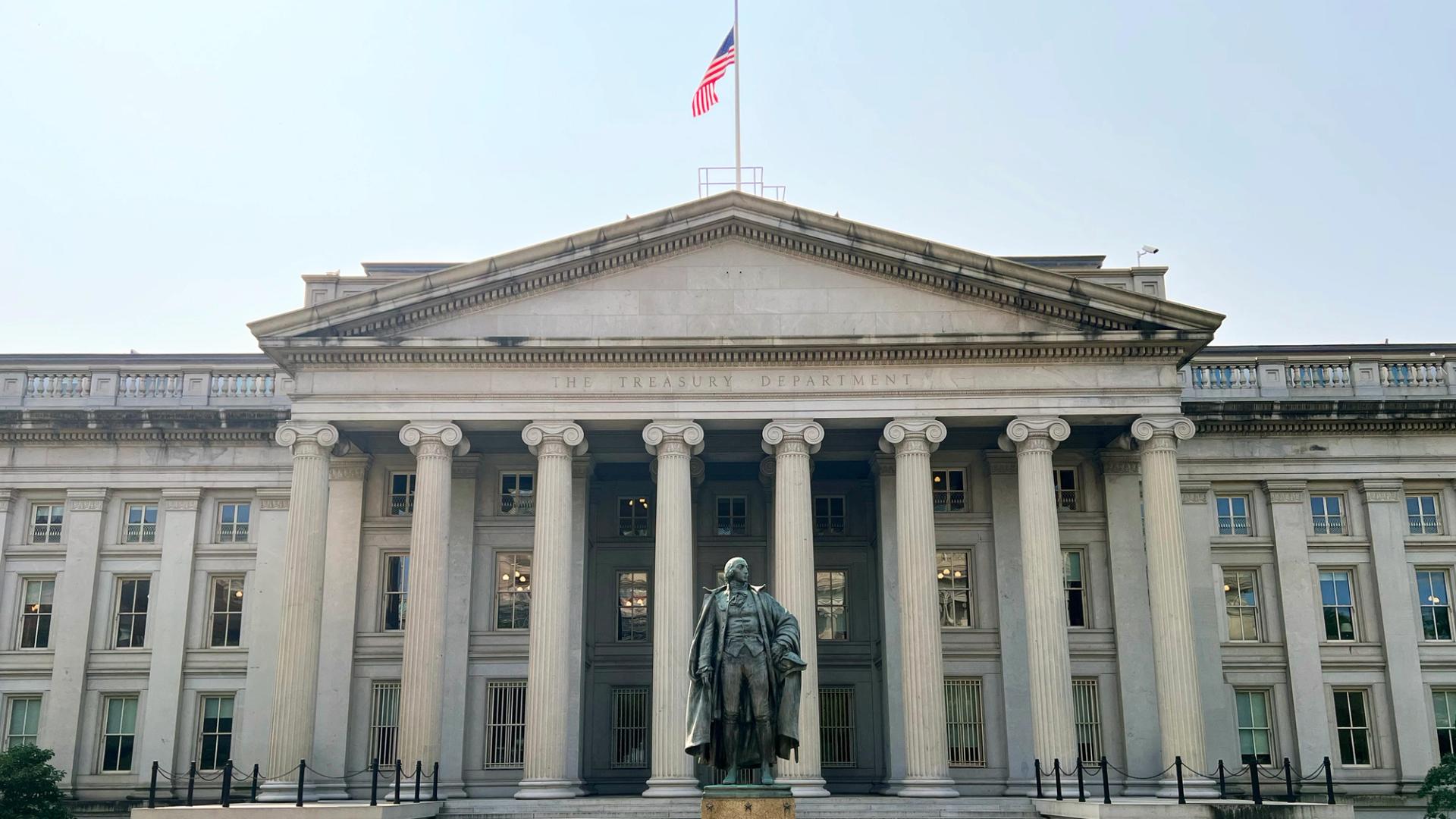
The U.S. Treasury Department is actively soliciting feedback on innovative strategies to detect and prevent illicit activities involving digital assets. This initiative marks the beginning of the implementation phase for the Guiding and Establishing National Innovation for U.S. Stablecoins (GENIUS) Act, a landmark piece of legislation aimed at regulating stablecoins.
GENIUS Act Implementation and Industry Feedback
The GENIUS Act, the first major U.S. law creating a regulatory system for crypto, mandates government action to mitigate risks posed by illicit actors in the digital asset landscape. The Treasury Department has opened a 60-day comment period, inviting the crypto sector to share insights on effective methods for curbing illicit crypto usage.
Key Areas of Focus:
- Identifying innovative methods for detecting illicit activity, such as money laundering, involving digital assets.
- Gathering industry views on clamping down on illicit crypto use.
Broader Regulatory Landscape
The implementation of the GENIUS Act signifies the start of a potentially lengthy process involving federal agencies. Banking regulators, including the Office of the Comptroller of the Currency and the Federal Deposit Insurance Corp., will also play a crucial role in overseeing stablecoin issuers.
While the GENIUS Act represents a significant step, it is only part of a broader legislative effort. Congress is expected to further address the digital asset market with additional legislation. The House of Representatives has already passed the Digital Asset Market Clarity Act. The Senate will now take the lead in shaping this legislation after its summer recess.
Executive Branch Initiatives
The current administration has been actively pushing for crypto-friendly policies, issuing executive orders to guide federal regulators in setting standards. Agency heads, including Securities and Exchange Commission Chairman Paul Atkins, have indicated that progress can be made even before Congress finalizes its crypto-related tasks.
For developers and businesses navigating this evolving regulatory landscape, platforms like Codeum offer blockchain security audits and smart contract development services, helping to ensure compliance and mitigate potential risks.
Read More: Trump Signs GENIUS Act Into Law, Elevating First Major Crypto Effort to Become Policy